“They plan, and Allah plans — and Allah is the best of planners.” — Qur’an 3:54
Practical spirituality teaches a person how to stand. Tactical spirituality teaches a person how to move. Life does not unfold in straight lines, and neither does healing. There are currents in the world and currents in the self — some lift, some obscure, some conceal, some reveal.
The seeker who begins to live from Withness must learn how to navigate these currents with wisdom, subtlety, responsiveness, and above all, tact. For the Qur’an does not say that human beings plan and God ignores them; it says:
They plan — and God plans.
This means the world is dynamic. Layers of intention act upon one another: human plans, ego plans, cultural plans, systemic plans. Yet above and within all these movements is another Intent — the Creative Plan that holds the seeker, shapes the path, and redirects the one who listens.
Tactical spirituality begins here: recognising that you are moving within a field that is already in motion.
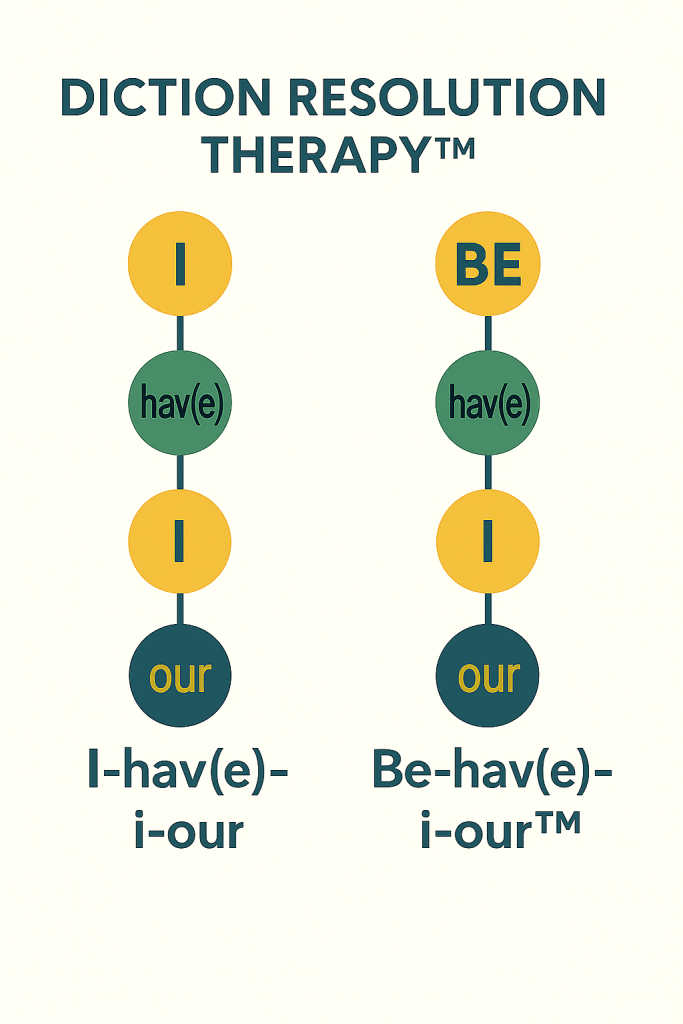
The left-hand word of DRT believes it must control everything: “If I plan enough, I will be safe.” The right-hand word knows otherwise: “I attend, I listen, I adjust — I am being led.”
Tactical spirituality is not manipulation or scheming. It is alignment-in-motion — a willingness to respond to the unfolding moment rather than impose the ego’s agenda upon it. Thus the seeker must learn tact: when to advance, when to retreat, when to pause, when to speak, when to remain silent, when to ask, when to wait, and when to surrender the tactic entirely because a larger Plan is becoming clear.
The Misconception of Power
From Pharaoh in the time of Moses to the emperors of global empires today, the powerful have always believed a quiet lie: that the Angel of Death walks on their leash.
They imagine their planning absolute, their systems unbreakable, their dominance eternal. But history answers this delusion again and again. Empire after empire has discovered that death is loyal to no ruler, and sovereignty belongs to no throne.
Pharaoh believed he commanded fate — yet the Angel passed over the huts of slaves and entered the palaces of the mighty. Rome believed itself unchallengeable — yet a crucified Jew reshaped the world long after Caesar’s breath was dust. Modern empires imagine surveillance, markets, and digital reach have mastered destiny — yet the same pattern holds.
The Angel walks freely. And the Planner is not them.
This is mercy. If human beings truly controlled death, the world would have ended long ago. The powerful confuse strategy with sovereignty. The seeker must not repeat their mistake.
Tactical spirituality knows that the One who plans is not moved by domination but by alignment; not by fear but by purpose; not by force but by presence.
The seeker walks tactically because they walk within a Plan that cannot be manipulated and cannot be dethroned.
The Movements of the Tactical Spiritual
Living tactically means moving with humility inside a world that moves. The Twelve Step lineage teaches continual watchfulness, self-inventory, amends, prayer, meditation, and service — not as moral demands but as tactical movements that keep a person aligned with reality rather than trapped in egoic planning.
The Addictive System has tactics. Ego has tactics. Despair has tactics. Therefore the seeker must learn the counter-tactic of humility, responsiveness, relationality, and subtle listening.
The highest tact is knowing that safety lies not in domination, but in alignment with the Plan that precedes the world.
The Mighty Counsellor
All tact leads to one revelation: the One who plans is also the One who cares. Power without compassion is Pharaoh’s mistake. Strategy without mercy becomes tyranny. Tactics without tenderness become cruelty dressed as wisdom.
But the seeker is not moving towards a throne — they are moving towards a Presence. In the Christian lineage, this Presence is the Mighty Counsellor, the Christ Consciousness, the Word made flesh — the Repaired Pair in perfect wholeness.
And like any true counsellor, He arrives not with doctrine or judgement but with one question — the only question that can open the human heart:
“Where does it hurt, and how can I help you?”
This is not sentiment. It is divine tact. Until a person knows where it hurts, they cannot know where to begin. Until they feel accompanied, they cannot trust the beginning. The Addictive System never asks this question. It demands performance, adjustment, endurance, and numbness.
Global psychiatry rests upon a diagnostic dictionary (DSM-5) designed primarily for practitioner categorisation and reimbursement. But the letters of the acronym reveal a deeper, older truth:
Death, Sex, and Money — the three unchanging lines of force shaping every individual and collective life recorded in the story of Mankind.
All forms of stuck addiction arise from a breakdown in relationship with these three forces. Until a new attitude is established — a healed relationship with Death, Sex, and Money — no movement towards a more consistently Human behaviour is possible.
DSM is not merely a taxonomy. It is a spiritual relational wound.
The Mighty Counsellor asks only what a healer, a sponsor, a true friend, or a Higher Power asks when the soul becomes quiet enough to hear:
“Where does it hurt?”
“How can I help you?”
This is the Groundhog Day lesson: that life changes not through grand plans, but through the quiet, repeated willingness to help others have their best day — not knowing that in doing so, you are shaping your own. And when this dawns, the Just for Today card of the global Twelve Step movement ceases to be a slogan and becomes a living tactic: a way of aligning each ordinary day with the extraordinary Plan that moves beneath it. In this daily tact, the seeker discovers that service is strategy, that presence is protection, and that each repeated “today” becomes a step back into Humankind.
 the HU man healing