This post belongs to a wider body of work that is being released in stages. It can be read on its own, or as part of the whole. The Prologue offers a natural point of entry for sequential reading.
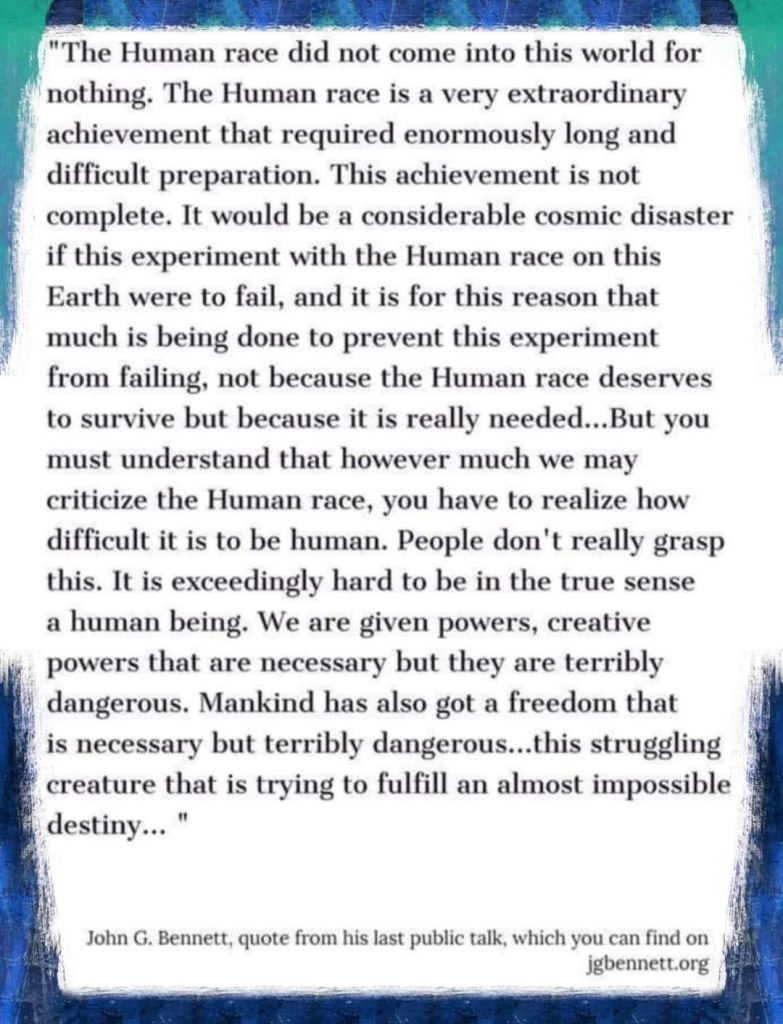
“The wound is the place where the Light enters you.” — Rumi
We live in a time when many people believe institutions are a con. But the word con never meant deception. Its root is the Latin cum — meaning with. And everything depends on this question: With what — or with whom — are we aligned?
This question opens the entire Way.
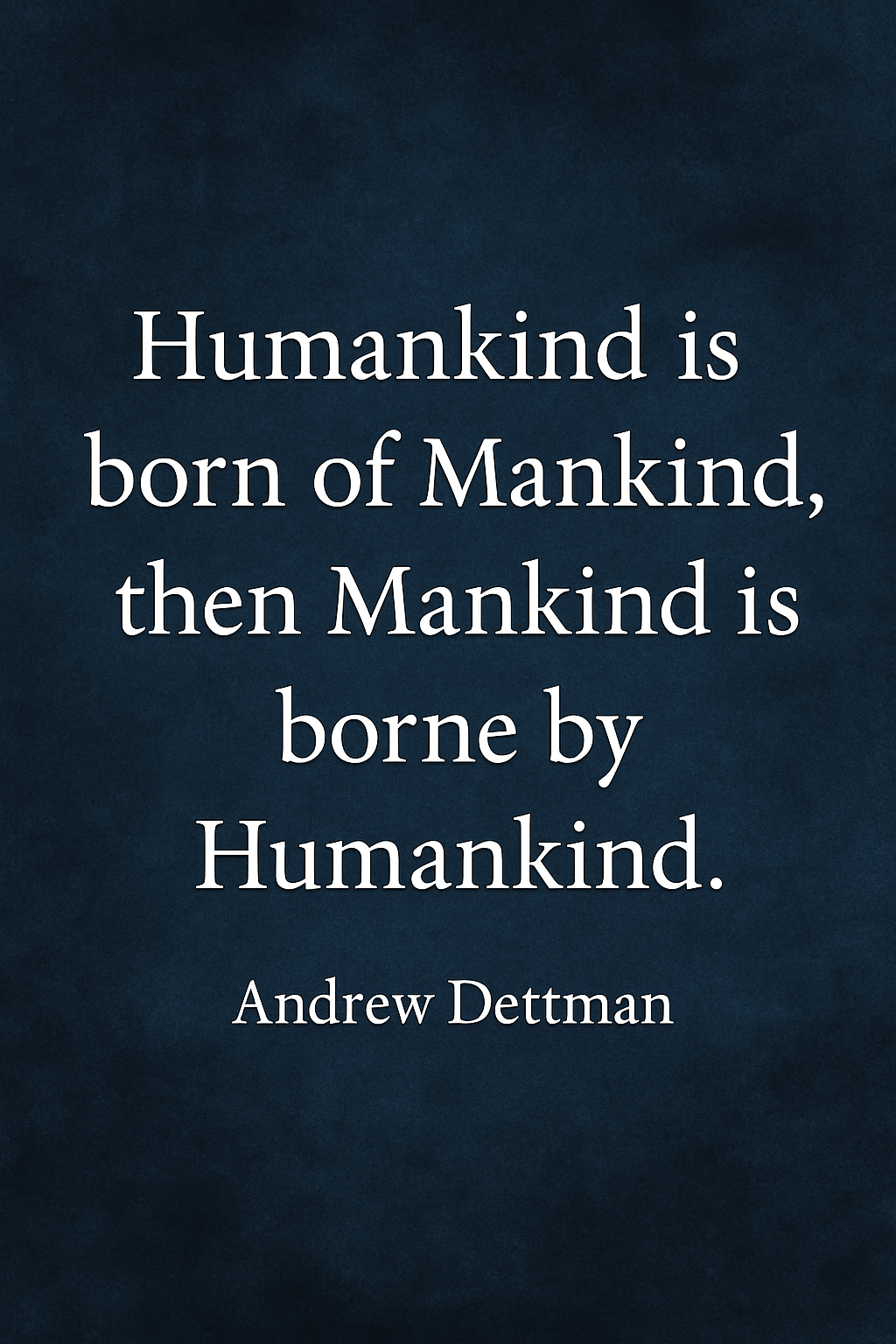
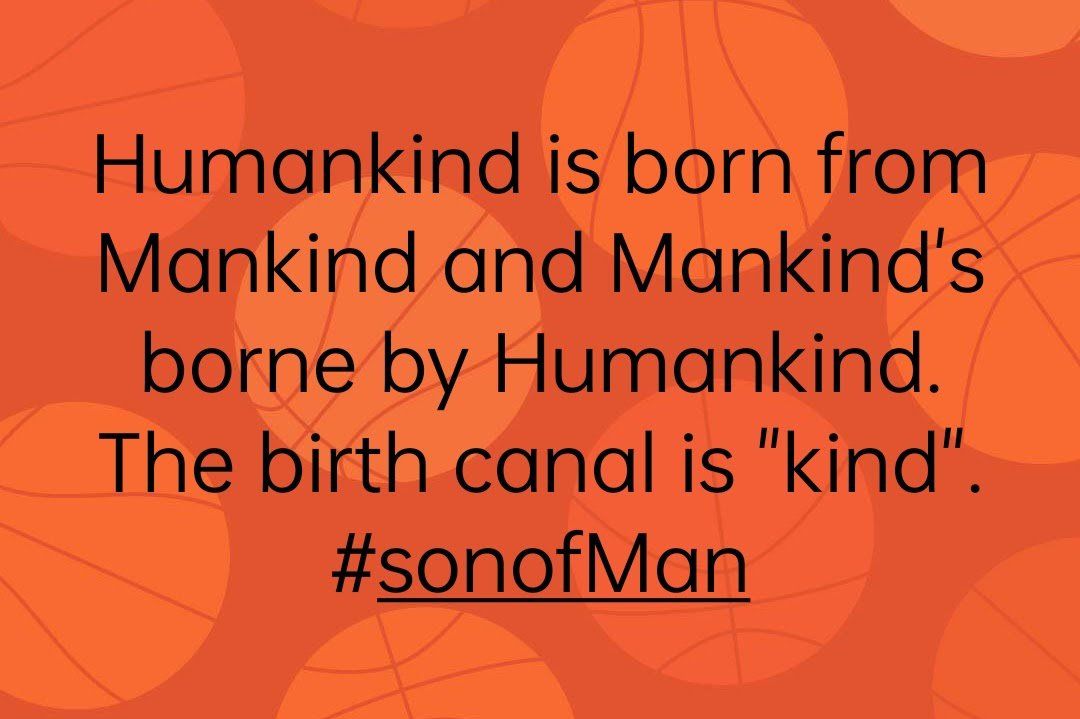
There is a con with a small c and a Con with a capital C. There is being with in a lesser way and being With in a greater way. There is Mankind and there is Humankind.
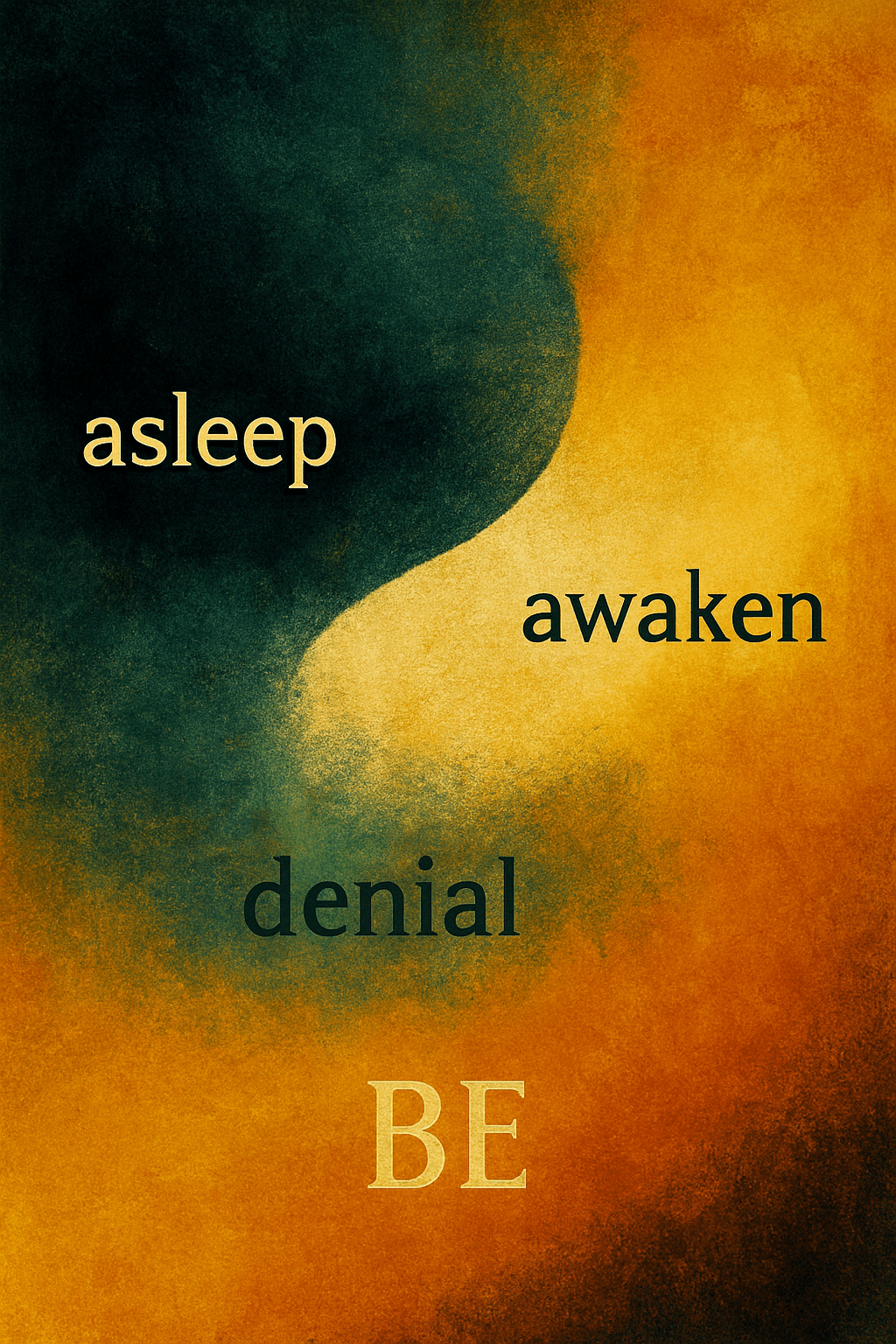
Mankind is the left-hand place — the state of being with the wrong thing: with the stuck behaviour, with the collapsing institution, with the ego attempting to self-govern what it cannot heal, with repetition rather than revelation, with survival rather than surrender.
Humankind is the right-hand place — the state of being with the right thing: with the Greater Power, with the breath of the Real, with the paradox that restores sanity, with Step Eleven consciousness, with the Creative Intelligence that the Twelve Steps return us to.
This is not moralism. This is alignment. This is orientation. This is the architecture of the soul. We are designed to get things wrong before we get things right, vice and virtue are in the very template of individuate wisdoms.
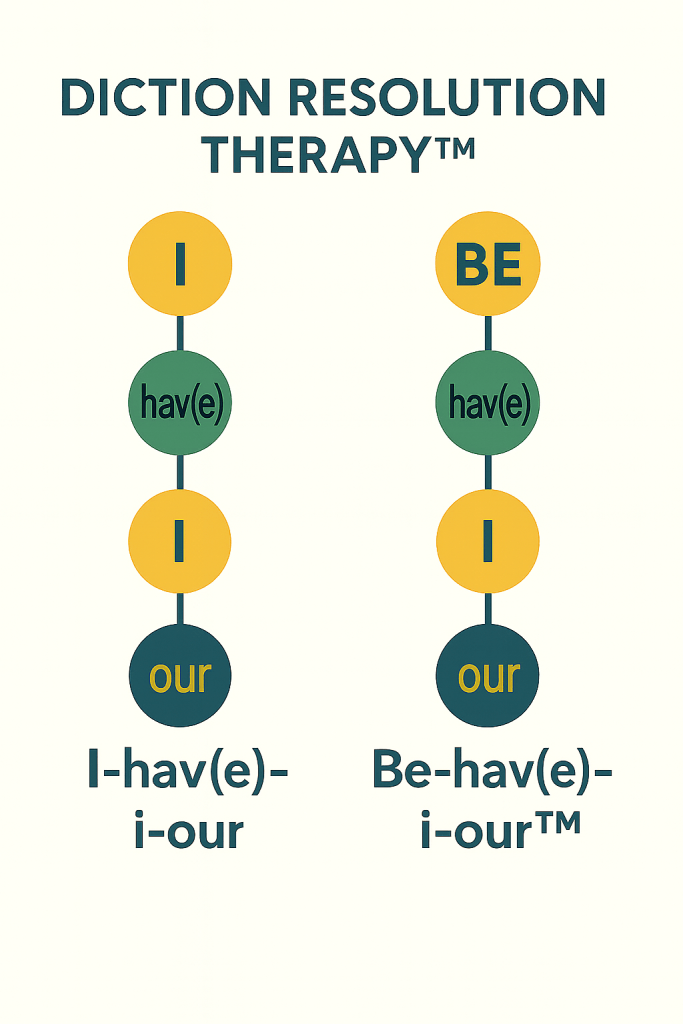
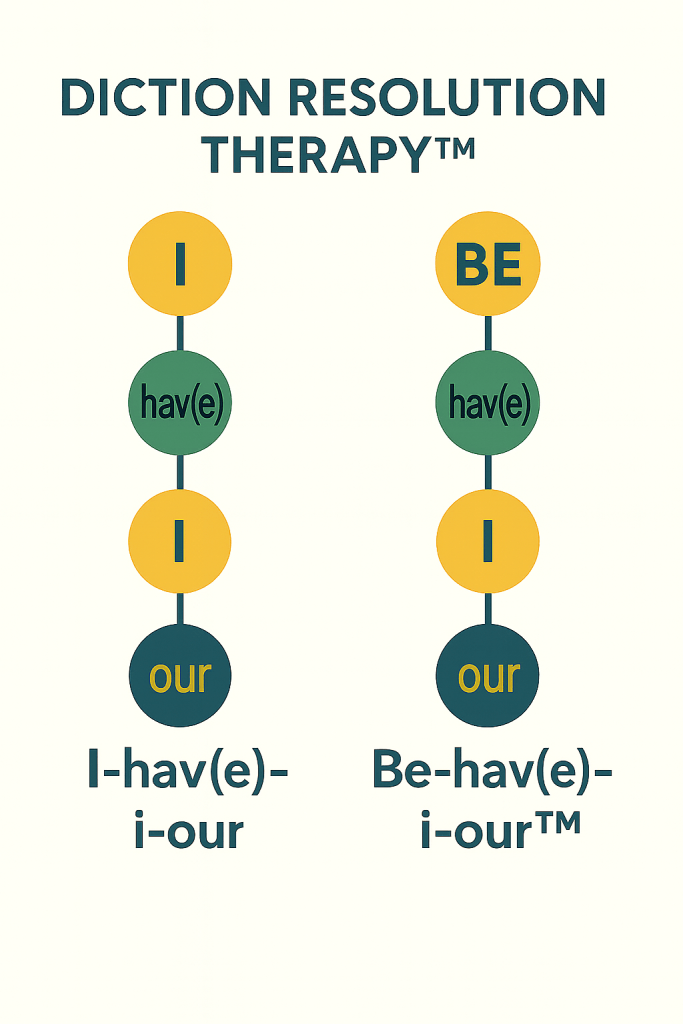
The DRT behaviour device shows this with elegant precision — a single vertical axis holding the left and right words, revealing the movement from Mankind toward Humankind.
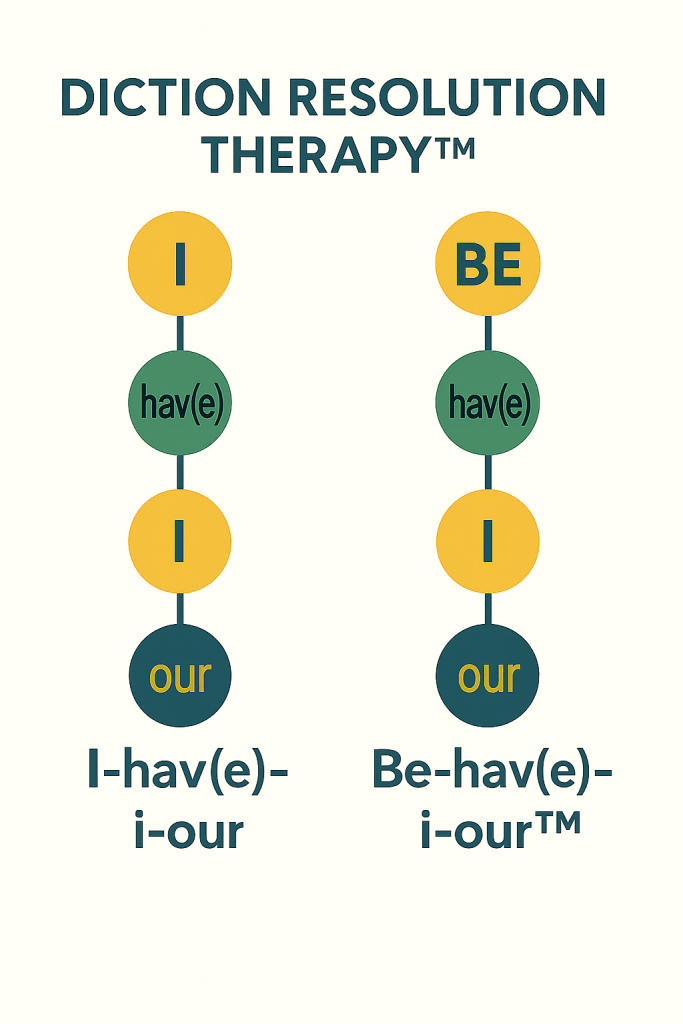
On the left-hand side is Mankind — the small con: being with the failing pattern, with the exhausted will, with the illusion of self-sufficiency.
On the right-hand side is Humankind — the great Con: being with the Higher Power, with humility, with paradox, with the Source that makes healing possible.
These two sides are never enemies. They are connected, paired, dependent — two poles of one paradox, the paradox through which transformation enters.
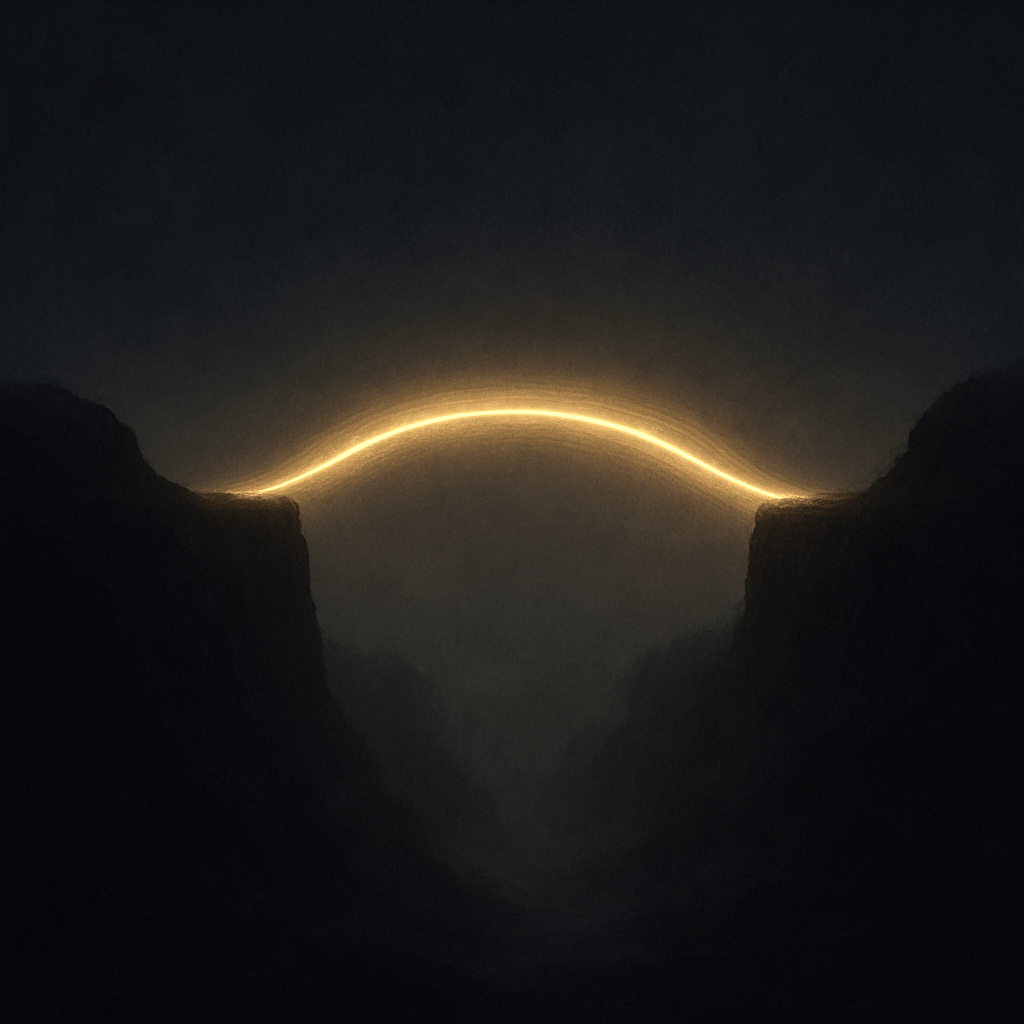
Wrong leans toward right. Right redeems wrong. The brokenness becomes the place of belonging. The collapse becomes the first clarity. The wound becomes the aperture for Light.
Our institutions are collapsing because they have remained too long in the realm of Mankind — with self-reference, with egoic governance, with structures cut off from their Source.
But collapse is not annihilation. Collapse is the small con exhausting itself. Collapse is the threshold of the great Con — the return of Humankind.
Every addict knows this. Every recovery room embodies this. Every true spiritual lineage teaches this.
A person recovers not by becoming stronger, but by becoming With. Not by reinforcing the ego, but by returning to Humankind.
A culture recovers in exactly the same way.
The question is always the same: Are we living as Mankind — or awakening as Humankind? What are we With? And what must we come-With next?
This is where The Holy Con begins — with the rediscovery of withness as the axis of healing, orientation, and return.
And the Way will appear as the next stone rises beneath the foot.

 the HU man healing