This post belongs to a wider body of work that is being released in stages. It can be read on its own, or as part of the whole. The Prologue offers a natural point of entry for sequential reading.
“As a flame trembles in a draught, so does the mind tremble before the coming of awakening.” — The Buddha (attributed)
The movement of a human life does not proceed in a straight line. It unfolds in pulses — contractions and expansions — the ancient rhythm by which consciousness learns, destabilises, reforms, and returns. Mystical traditions named this oscillation. Physics describes it as collapse and emergence. Recovery recognises it as surrender and awakening.
Scripture gave it a simpler name: denial.
Not refusal, not stubbornness, not moral failure — but the lawful trembling that occurs when an existing identity can no longer contain what is arriving. Denial is the hinge-state. The threshold. The necessary contraction before expansion.
This is why denial is never the opposite of awakening. It is its vestibule.
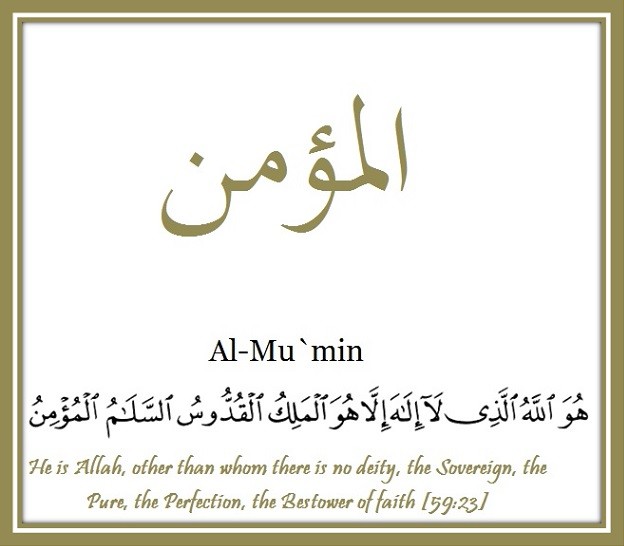
Across traditions, the same arc appears. In Surah ar-Raḥmān, creation is recited and a single refrain returns again and again: “Which of your Lord’s signs will you deny?” This is not accusation. It is diagnosis. It reveals precisely where consciousness has not yet stabilised enough to receive what is being shown.
The same pattern appears in the Gospel narrative of Peter’s denial — not as betrayal, but as the collapse of borrowed courage before the birth of embodied conscience. The old structure trembles. Something deeper prepares to arrive.
In clinical work, this same oscillation presents daily. What is often labelled relapse is better understood as awareness arriving before regulatory capacity is in place. Insight comes faster than the system can metabolise it. The psyche contracts not because truth is rejected, but because it has arrived too quickly.
From this perspective, denial is not opposition to recovery but a stabilising pause — a lawful threshold that appears when the organism is preserving coherence in the absence of sufficient internal regulation.
When denial is confronted prematurely, conscience fragments. When it is contained, paced, and accompanied, conscience consolidates. What follows is not regression but preparation.
This clarifies why the family of words rooted in sisto — to stand — carries such diagnostic precision: exist, resist, desist, persist, assist, consist. Each names a posture consciousness adopts while learning how to stand in truth without collapse.
Resistance and desist(ence) describe the same inner wrestle: the effort to remain standing long enough for understanding to arrive. Collapse occurs not because the person refuses truth, but because standing has not yet become possible.
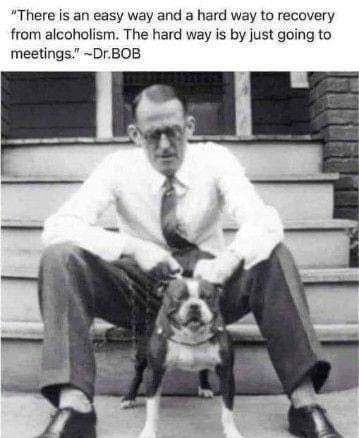
This is where Twelve Step experience becomes indispensable.
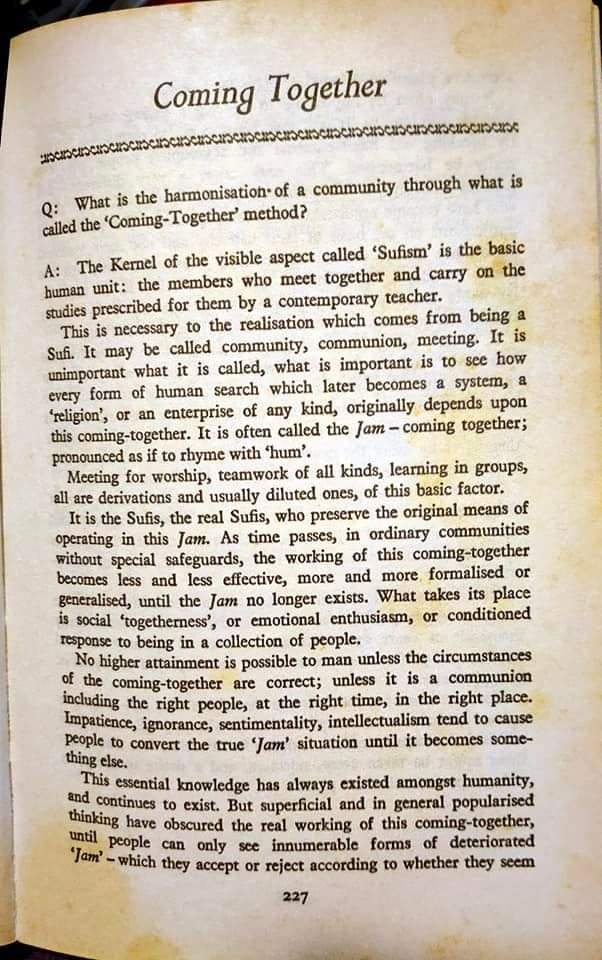
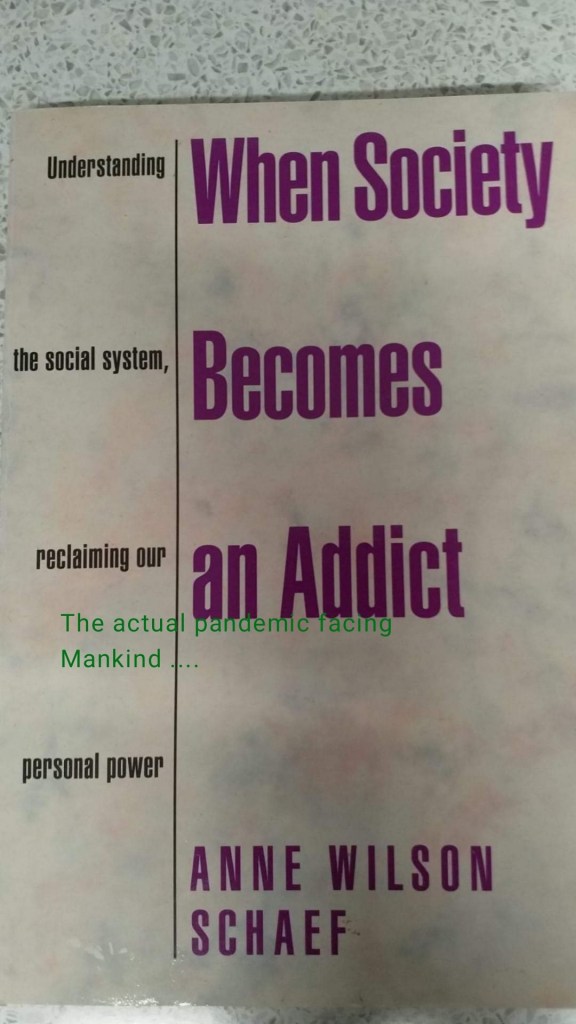
Historically, members of Twelve Step fellowships were urged to remain under cover — not from shame, but for health. Groups functioned almost as hidden lodges, no less discreet than ancient Sufi tekkes. What current global conditions reveal is that it may no longer be addiction alone that requires protection. Normal living itself appears under strain.
In this context, the Twelve Step phenomenon reads less as a pathway back to a stable society and more as a surviving beachhead of sanity itself — a living memory of how conscience is restored when systems fragment.
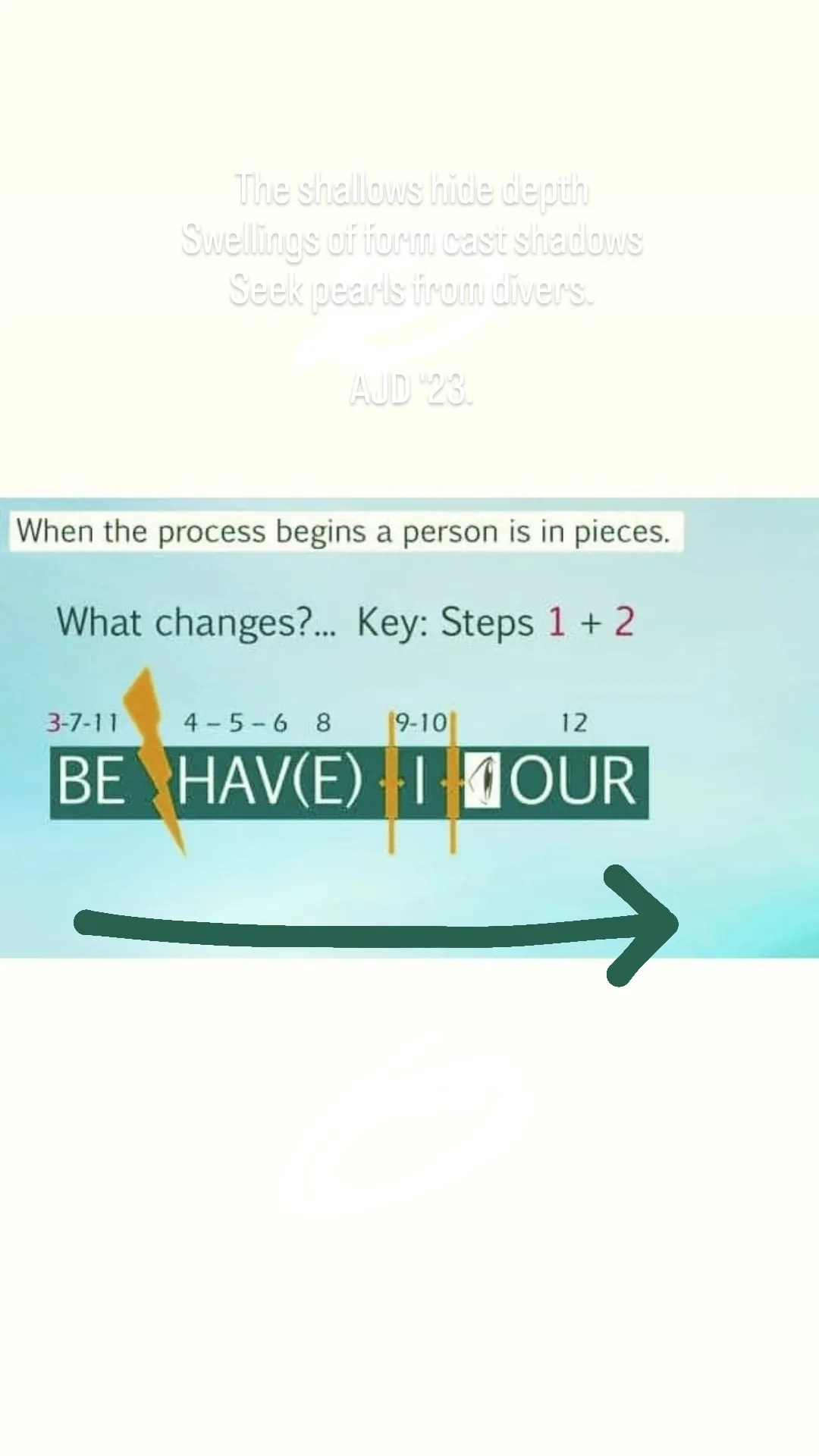
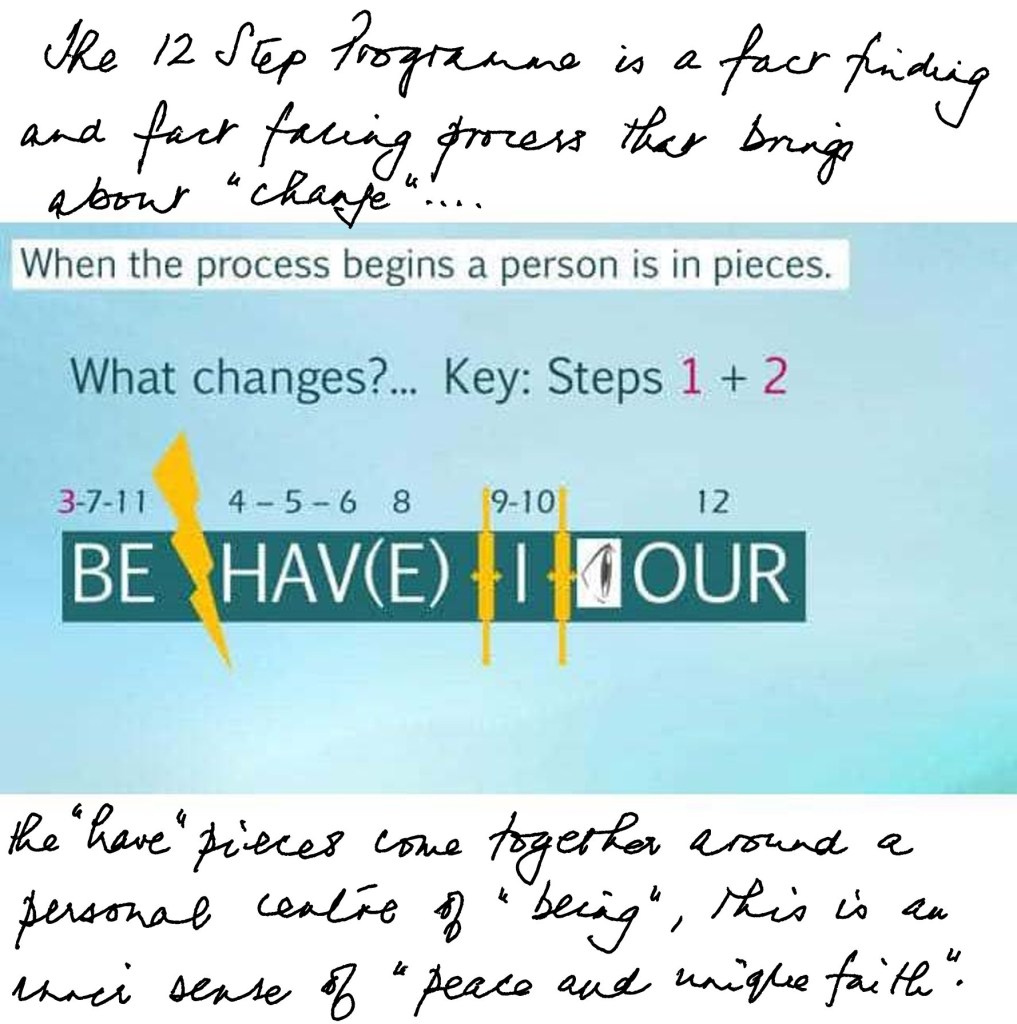
The Twelve Steps, lawfully understood, do not manage behaviour. They construct a birth channel.
(Recall: Trust, Certainty, Patience, Resolution, Veracity — the five stations named in Sufi tradition — map precisely onto the Twelve Step arc, not as instruction but as remembered architecture.)
What is born through this channel is not abstinence, compliance, or belief. It is individuated conscience — the only place Universal Consciousness can reflect upon itself through a particular human being.
Modern culture often treats conscience as defective, punitive, or socially conditioned. Clinically, this is inaccurate. Conscience is not broken. It is delayed.
Each human being inherits provisional conscience fields — familial, cultural, historical — sufficient for survival but insufficient for individuation. These borrowed structures function temporarily. Eventually, they fail under the weight of lived reality.
The resulting collapse is not pathology. It is labour.
Before we describe how the bridge bends beneath us, it helps to understand what is happening in the body and brain when the threshold of denial is crossed but not yet integrated.
What follows is not abstract theory, but a description of how the body itself speaks at the threshold — how life signals before meaning, and before the mind has found its footing.
Feeling, Emotion, and the Measure of Return
A quiet confusion runs beneath much modern psychology and even much modern spirituality: the treating of feeling and emotion as though they were the same substance. They are not. This confusion collapses sequence, and when sequence collapses, conscience cannot be born.
Feeling is earlier than emotion.
Feeling belongs to the animal body — to what Arabic names ḥayāh, life as movement. It is fast, pre-verbal, and truthful without explanation. Contemporary neuroscience confirms what the ancients already knew in the body: sensory information can bypass reflective thought and travel directly from the thalamus to the amygdala along a rapid, non-discriminating pathway whose sole concern is preservation of life — quick, crude, and mercifully unconcerned with meaning. This pathway does not interpret: it announces.
In lived experience, these announcements arrive as three tones of feeling, three lawful movements of inner pressure:
- Ascending — a rising force (ṣuʿūd): mobilising, energising, calling the body toward action.
- Descending — a lowering force (nuzūl): conserving, withdrawing, folding inward for protection.
- Neutral — a resting measure (iʿtidāl): neither rising nor falling, but present, receptive, and orienting.
These tones are not emotions. They carry no story and no judgment. They are signs (āyāt) of what the organism is registering, not conclusions about what it means.
Emotion requires a later station.
Only when immediate threat has passed can the slower faculties re-engage — the hippocampus and cortex, whose work is not survival but digestion. Here experience is weighed, sifted, and integrated. What is useful is retained; what is excessive is released. Raw feeling is transformed into emotion, and emotion into meaning that can guide future conduct . This is not thinking about feeling; it is the lawful digestion (hadm) of what has already occurred.
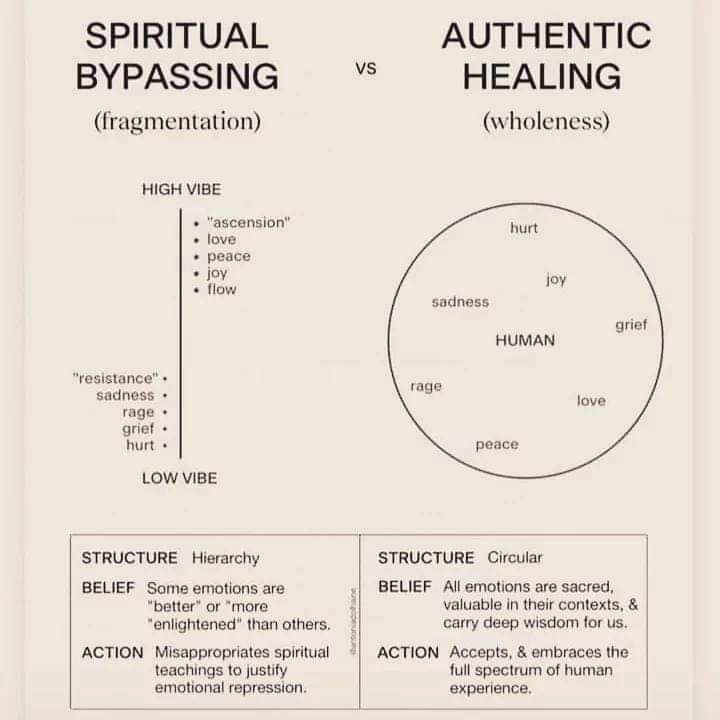
Trauma arrests this movement. When threat overwhelms capacity, the system cannot safely return to neutrality. Ascending pressure continues to surge without discharge; descending pressure hardens into collapse or numbness. What is later named “emotional dysregulation” is, more precisely, undigested feeling — life-force that has not been allowed to complete its passage.
This distinction illuminates the Twelve Steps from within.
The Steps do not aim to control feeling, nor to produce emotion. They establish a vessel (ināʾ) within which feeling can be borne without enactment or suppression. Steps One through Three loosen the false sovereignty of the isolated self and open the possibility of neutrality — not passivity, but right measure. Steps Four through Six provide the classificatory space in which experience can be named without discharge. Step Five midwifes conscience — not as imposed morality, but as the natural fruit of digested life. Step Seven completes the return (rujūʿ), yielding both what appears good and what appears bad back to the One Source, restoring balance at the level of action.
Seen this way, addiction is neither vice nor pathology alone. It is the organism’s desperate attempt to force digestion when the lawful path has been blocked. Substances and compulsions briefly mimic ascent, descent, or neutrality — counterfeit stations that offer momentary relief while delaying true return.
The Twelve Steps endure because they honour sequence. They do not hurry the animal. They do not interrogate feeling before it has settled. They protect the neutral ground long enough for emotion to ripen, meaning to condense, and conscience to arrive of its own accord.
Thus the arc is restored, not invented: feeling first, digestion next, emotion after, conscience last. This is not a technique but a return to measure — the fitting of the human vessel to the movement of life itself.
Seen in this way — as tones fired before narrative, processed before meaning — the movement from denial into the work of honest inventory and repair becomes not a moral demand but a lawful turning of the organism toward balance.
Addiction, breakdown, moral injury, and spiritual crisis are contemporary names for an ancient threshold: the point at which borrowed conscience can no longer carry experience, and a new centre must be born.
Seen this way, the trembling at the bridge is not resistance but signal – undigested life seeking measure, a consciousness preparing for Return.
The Latin verb scire — to know — gives rise to science, conscious, and precious. These are not separate ideas. They describe one movement: knowing-with.
Pre-cious names what exists before full knowing — the seed of awareness placed within biology itself. This seed bears history, trauma, adaptation, and culture until it ripens.
When ripe, the disembodied mind — often experienced as a boxed control centre — enters crisis. The box appears to be destroyed. In truth, it is opening.
Conscience emerges not as an idea, but as a cervical opening in the psyche — a passage through which responsibility, humility, and contact can finally pass. This is why one moment of true reflection outweighs years of formalised performance. Reflection is consciousness recognising itself through a person.
Here, denial completes its work. What once protected the sleeper releases the awakened.
The bridge has done its job.
What follows is not collapse, but carriage — the ability to bear reality without fragmentation, to stand without resistance, and to move without fleeing.
This is where Chapter Eleven must begin: not with further diagnosis, but with the question of how a newly born conscience learns to live.











 the HU man healing